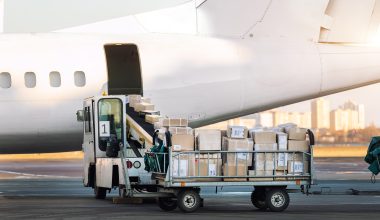
A parcel that was quoted in September costs a different amount in December. This is because of the peak season surcharge, a temporary fee carriers add on top of base rates during high volume months.
This charge is common across every major carrier that serves Canada. The first windows for these charges to flow in opened in late September 2026. For Canada Post, the window opens on November 2.
This brings us to the true problem behind not knowing which charges are driven by demand, and which are driven by the base rate, fuel surcharges, and residential surcharges. They are all lumped onto one label.
This guide will provide you with a complete picture of the peak surcharges of each major carrier in 2026. It also demonstrates the ways shippers can cut the bill.
What Is a Peak Season Surcharge (and Why Carriers Now Call It a “Demand Surcharge”)?
A peak season surcharge, in simple terms, is a temporary per package or per weight fee that carriers add on top of base shipping rates during high volume periods, usually late September to mid January.
These charges cover the extra labour, sortation and capacity costs during the holiday rush.
But these charges aren’t always called peak anymore. The FedEx peak surcharge is now the FedEx demand surcharge. The UPS peak surcharge has also morphed into the UPS demand surcharge. There’s one reason. While peak referred to the preset times when the market expected demand to rise, carriers have now set their own demand periods, which can extend past the holiday dates.
These charges come in two types. One is the fee on non-standard parcels, which is the charge for additional handling requirements, oversized packages, or packages that exceed the maximum size or weight limits.
The other type is flat per package fees on everyday parcels. One example of that is UPS Canada’s domestic demand fee.
The true driver of the bill, however, is whether a package is standard or non-standard.
2026 Peak Surcharges at a Glance
Given below is the table that shows the latest carrier-published peak surcharges in CAD. In the case of Purolator and Canpar, only last season’s figures are shown as a benchmark since these carriers are yet to publish their rates.
| Carrier | Peak window | What it applies to | Key 2026 fees (CAD) | Status |
| Canada Post | Nov 2, 2026 to Jan 10, 2027 | Oversize, unpackaged and out-of-spec parcels for contract customers | Oversize/Unpackaged: $30 per item (regular $21). Out-of-spec: $400 per item (regular $300) | Published |
| FedEx Canada | Sept 28, 2026 to Jan 17, 2027 | Intra-Canada parcels needing additional handling or oversize | Additional Handling: $32.30 (dimension), $36.35 (weight), $29.90 (packaging) per shipment. Oversize: $174.00 per shipment | Published |
| UPS Canada | Handling fees: Sept 20, 2026 to Jan 16, 2027. Demand fee: Oct 25, 2026 to Jan 16, 2027 | All Canadian domestic Air and Ground parcels, plus non-standard parcels | Demand fee: $0.75 per package. Additional Handling: $7.70. Large Package: $77.00. Over Maximum Limits: $495.00 (all per package) | Published |
| Purolator | 2025 benchmark: Oct 27, 2025 to Jan 18, 2026 | Special handling parcels | 2025 figures: $6 per piece (Additional Handling, Oversized, Residential Heavyweight), $55 (Large Package), $450 (Over Maximum Limit) | 2026 pending |
| Canpar | 2025 benchmark: Oct 3, 2025 to Jan 19, 2026 | Special handling and residential parcels | 2025 figures: $7 per package (Extra Care, Over Length, Overweight), $50 (Oversize), $450 (OverMax), $2.00 residential per shipment from Oct 31 | 2026 pending |
| DHL Express | Oct 1, 2026 to Feb 5, 2027 | International and domestic express shipments | Day Definite International: $0.22 per kg. Time Definite Domestic (Nov 1 to Dec 31): $0.08 per lb. Time Definite International: varies by lane, per kg | Published |
Carrier-by-Carrier Breakdown
Given below is a carrier-by-carrier breakdown of the surcharges, each highlighting the dates, who gets charged and who is affected.
Canada Post
Canada Post applies peak surcharges to packages shipped between November 2, 2026 and January 10, 2027. For oversize and unpackaged products, the surcharge goes up by more than 40%, from $21 to $30.
In the case of products that are out-of-spec, the surcharge moves up by 33%, from $300 to $400.
According to the notice provided by the carrier itself, all customers with a Canada Post Agreement, including their authorized users, will be affected by these charges.
Canada’s leading carrier not only increases its costs during the peak season, it also changes its core policy around delivery guarantees. For items mailed in that window, Canada Post honours late delivery claims only if the item arrives two or more business days after the delivery standard. This applies to Priority, Xpresspost and Expedited Parcel within Canada.
So, if you are delivering boxes that are standard in size and are properly packed, the peak fees won’t have an effect on you. What you need to watch for is the guarantee change instead.
Purolator
Purolator is yet to publish its 2026 schedule. If you go to the official website right now, Purolator’s peak surcharge page still shows the October 27, 2025 to January 18, 2026 schedule, last updated October 2, 2025.
During the last season, Purolator charged $6 per piece for Additional Handling, Oversized and Residential Heavyweight. If the package was large, the carrier charged $55 for Large Package. And if the package exceeded the maximum limit, the peak surcharge went up to $450. You can use these figures as a benchmark for this year.
The key detail to keep in mind is that contracted discounts for regular special handling do not apply to the peak version of the fee. Even if you have a heavily discounted account, during peak season, you need to pay the peak fee in full.
Purolator considers packages that are over 50 lbs to be oversized, or, if you go by dimensions, packages whose longest side is more than 48 inches. In the case of Residential Heavyweight, residential packages over 70 lbs are covered.
You must also take dimension rounding into account. Purolator’s amended Terms and Conditions of Service, which took effect on July 19, 2026, state that the carrier now rounds each fractional dimension up to the next whole inch or centimetre.
If Purolator is your chosen carrier this year, budget according to last year’s figures until the information is updated.
UPS Demand Surcharge
The UPS demand surcharge for Canadian accounts comes in two parts. If you are looking for the UPS peak surcharge, both parts now fall under this name.
The first part covers non-standard parcels. From September 20, 2026 to January 16, 2027, you pay $7.70 per package for Additional Handling, $77.00 for Large Package and $495.00 for Over Maximum Limits. These fees apply across domestic, export and import services.
The second part is the one that catches shippers off guard. From October 25, 2026 to January 16, 2027, UPS Canada Domestic Air and Ground services carry a $0.75 demand fee per package. UPS Standard to and from the U.S. carries the same amount. This fee hits every parcel, standard or not.
On top of this, UPS applies its fuel surcharge to all these fees. Even a discounted UPS Canada rate won’t reduce them, since no waiver or discount applies unless UPS agrees to it in writing. You can check the full schedule in UPS Canada’s demand and surge fees notice.
So, every UPS label from October 25 carries the $0.75 fee, plus fuel on top of it.
FedEx Demand Surcharge
The FedEx demand surcharge for 2026 runs from September 28, 2026 to January 17, 2027. If you still search for the FedEx peak surcharge, this is the same fee under its new name.
During this window, the Additional Handling Surcharge on Intra-Canada Package Services is $32.30 per shipment for dimension, $36.35 for weight and $29.90 for packaging. The Oversize Charge is $174.00 per shipment. You can find the full list in FedEx Canada’s rate amendments.
FedEx has also changed the name on the invoice. Effective September 21, 2026, the Demand Unauthorized Package Fee is now called the Demand Unauthorized Charge.
The key detail to keep in mind is how FedEx measures your box. Since January 12, 2026, FedEx applies a cubic volume test to Additional Handling (Dimension), and both a cubic volume and a weight test to the Oversize Charge. Any package over 10,368 cubic inches (length x width x height) now triggers the dimension surcharge.
Fuel adds another layer. For FedEx Ground, the fuel surcharge is assessed on the net rate plus surcharges like Additional Handling, the Demand Surcharge, the Oversize Charge and residential delivery.
So, measure your box volume, not just the longest side.
Canpar
Canpar is yet to publish its 2026 peak schedule. Until it does, last season’s figures are the only benchmark you have.
From October 3, 2025 to January 19, 2026, Canpar charged a peak fee of $7 per package for Extra Care, Over Length and Overweight parcels. Oversize parcels carried a $50 peak fee, and parcels over the maximum size or weight limit carried $450.
These peak fees were added to Canpar’s regular special handling charges, not in place of them.
Canpar also charged a residential peak fee of $2.00 per shipment last season, from October 31, 2025 to January 19, 2026. What matters here is that Canpar decides which addresses count as residential. So the tag you give an address in your own system doesn’t decide the fee. Canpar’s classification does.
Whether you use Canpar for Ground or Express deliveries, budget on last season’s figures until the 2026 notice is out. Then check whether the dates and amounts have moved.
So, if a large share of your orders go to homes, the residential fee is the one to watch.
DHL Express
DHL Express runs its demand surcharge from October 1, 2026 to February 5, 2027. Instead of a flat fee per package, DHL charges in CAD per kg or per lb of billing weight. The amount depends on where the shipment starts and ends.
For Day Definite International services, the fee is a flat $0.22 per kg ($0.10 per lb). Time Definite International services, like DHL Express Worldwide, carry rates that vary by lane.
This is where importers need to pay attention. A Time Definite International shipment from China or Hong Kong to the Americas carries $3.21 per kg. On a 20 kg inventory shipment, that adds $64.20 before fuel.
Domestic shipments have their own window. From November 1 to December 31, 2026, Time Definite Domestic services carry a flat $0.08 per lb.
DHL’s fuel surcharge applies on top of all these amounts. DHL also states that charges and dates may change during the period, with prior notice. You can track updates on DHL Canada’s demand surcharge page.
So, if you import inventory or ship express internationally, factor DHL’s per kg fee into your landed cost.
How Peak Surcharges Stack With Fuel and Residential Fees
A peak surcharge never sits on the invoice alone. Carriers apply their fuel surcharge as a percentage on top of the surcharges themselves. So every peak dollar grows before it reaches your bill.
Purolator makes this plain. The Purolator fuel surcharge is applied to the sum of the service rate, additional specialized services and applicable surcharges. For October 5 to November 1, 2026, that rate is 50.00%. In other words, a $6 peak fee becomes $9 once fuel is added.
The Canada Post fuel surcharge works on a weekly cycle, based on the average price of diesel in Canada. There is some relief this season, though. From October 5, 2026 to January 3, 2027, Canada Post is giving eligible domestic parcels a 15% discount on the published fuel surcharge. The discount covers the fuel surcharge only, and the rate has a floor of 25% after the discount is applied.
The UPS demand fee is only $0.75. But fuel applies to it as well, and it lands on every label from October 25.
Box size can change the picture entirely. Take the same parcel in a 25″ x 20″ x 21″ box. Its volume is 10,500 cubic inches, which crosses FedEx’s 10,368 cubic inch line. In December, that box triggers the $32.30 Additional Handling (Dimension) fee, plus fuel. A standard parcel becomes a non-standard one because of the box alone.
This is one of the quiet reasons Shopify store owners in Canada overpay on shipping. The fees rarely show at checkout, but they all show up on the invoice.
So, before peak hits, check your box sizes, not just your rates.
Shipping to the U.S. During Peak (Cross-Border Sellers)
If you sell to US customers, peak season can hit the same parcel twice. A US-bound parcel can pick up a Canadian carrier fee at origin and a US last-mile fee at delivery.
UPS shows how the Canadian side works. From October 25, 2026, UPS Standard to the U.S. carries the same $0.75 per package demand fee as domestic parcels. Express services are charged by weight instead. From September 27, 2026 to January 16, 2027, shipments from Canada to the United States on UPS Express, Express Saver, Expedited and related services carry a surge fee of $0.69 per kg.
Then comes the US side. If your parcels are handed to USPS for the final mile, the USPS peak season surcharge applies from October 4, 2026 to January 17, 2027. It sits on top of a separate 8% USPS base postage increase, which has applied since April 26, 2026 and ends on the same date.
Peak also adds pressure at the border. Plan your holiday cut-off dates around how long customs clearance from Canada to the US takes in your lane.
So, for cross-border orders, budget for two sets of peak fees, not one.
7 Ways to Reduce Peak Season Shipping Costs
You can’t switch peak shipping surcharges off. But you can control how many of your parcels get hit, and how hard. Here are seven ways to do it.
1. Ship B2B and Restock Orders Early
Bulk orders to retailers and your own warehouses don’t need holiday timing, so move them out of the peak windows. UPS’s demand fee starts October 25, and Canada Post’s peak window opens November 2. Any wholesale or restock shipment you send before these dates skips the peak fee entirely. Plan the next round for after January 17, when the domestic windows close.
2. Right-Size Your Boxes
Peak handling fees target packaging, not products. Measure every SKU against FedEx’s 10,368 cubic inch test and each carrier’s handling thresholds, like Purolator’s 48 inch longest side. A box that clears these limits stays a standard parcel. Where your products allow it, nesting items inside one another can cut down the box size you need.
3. Rate-Shop Every Order
Peak fees differ by carrier, package and date. So the right carrier for a given order can change from one week to the next. Sticking to one carrier out of habit means paying whatever that carrier charges. ShippingChimp compares rates across carriers on every order, so you can pick the right one at the moment you print the label.
4. Use Zone Skipping for Dense Regional Volume
If a large share of your orders goes to one region, like BC and Alberta, ship them in bulk to a hub there first. The parcels then travel the last mile locally instead of crossing every zone. Zone skipping cuts the zone charges that peak fees and fuel would otherwise stack on top of.
5. Update Your Checkout Rates
If your checkout still shows September rates, you are absorbing every peak fee yourself. Update your shipping rates for the peak window so customers see peak-adjusted shipping. Even a small adjustment, like adding the $0.75 UPS demand fee plus fuel, keeps the cost where it belongs. Reset the rates once the windows close in January.
6. Set Free Shipping Thresholds on Landed Cost
A free shipping threshold built on base rates breaks in December. Work it out on landed cost instead, with fuel, residential fees and peak fees included. That way, the orders that qualify for free shipping still cover what the label actually costs during peak.
7. Run Early-Bird Holiday Promos
Pull holiday orders forward with early-bird offers. Canada Post’s peak window opens November 2, and last season, Canpar’s residential peak fee began October 31. Every order that ships before these dates avoids those fees. It also eases the pressure on your team ahead of Black Friday and Cyber Monday.
FAQ
When do peak season surcharges start in 2026?
Peak season surcharges start on different dates for each carrier. UPS Canada’s handling fees started September 20, FedEx’s on September 28 and DHL’s on October 1. The UPS demand fee begins October 25, and Canada Post’s window opens November 2.
Does Canada Post charge a peak season surcharge?
Yes. Between November 2, 2026 and January 10, 2027, Canada Post charges $30 per item for oversize and unpackaged items, and $400 for out-of-spec items. These peak fees apply to contract customers. Standard, properly packed parcels do not attract them.
What is the FedEx demand surcharge?
The FedEx demand surcharge is FedEx’s name for its peak season fees. In Canada, the Additional Handling Surcharge runs $29.90 to $36.35 per shipment during the demand period, and the Oversize Charge is $174.00 per shipment. Fuel applies on top.
Do peak surcharges apply to small, standard parcels?
Often, yes. UPS charges a $0.75 demand fee, plus fuel, on every Canadian domestic package from October 25, 2026 to January 16, 2027, standard or not. Canada Post’s peak fees target only oversize, unpackaged and out-of-spec items, not standard parcels.
Can small businesses avoid peak surcharges?
Not entirely, but you can cut how many of your parcels get hit. Right-size your boxes to stay within handling thresholds, ship bulk orders before the windows open, and rate-shop every order across carriers, since peak fees differ by carrier.
Conclusion
Peak season surcharges are now a fixed part of Q4 shipping in Canada. But they don’t land the same way on every parcel. Each carrier’s fees differ by package type and by week. So the carrier that suits an order in October may not suit it in December.
Purolator and Canpar are yet to publish their 2026 schedules. We will update the table and the changelog once they do.
Until then, don’t pick a carrier out of habit. With ShippingChimp, you can compare every shipment across carriers and pick the right rate for each label, all through peak season.

- Peak Season Surcharges 2026: What Every Canadian Carrier Is Charging - October 29, 2026
- How to Mail a Package in Canada: Step-by-Step - October 21, 2026
- How Long Does Express Shipping Take? A Carrier-by-Carrier Breakdown - October 12, 2026